
PCD indexable inserts (polycrystalline diamond) for aluminium and non-ferrous metals
PCD inserts with a diamond cutting edge for turning aluminium – including silicon alloys –, copper, brass, plastics and composites: very sharp, extremely wear-resistant, long tool life. From 1 piece, order by noon for same-day dispatch.
Products (selection)
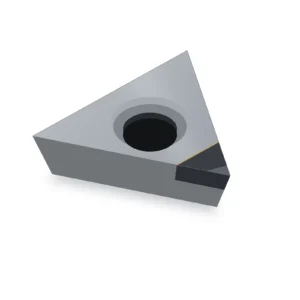
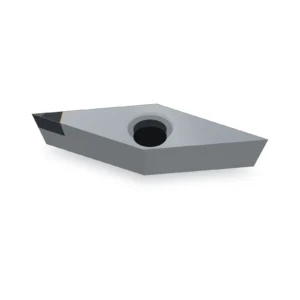
View all 5 products in the shop
Product pages, basket and checkout are in German. Questions? Phone +49 9346 92230 or WhatsApp +49 171 4189690 – we also answer in English.
What is PCD?
PCD (polycrystalline diamond) is the hardest cutting material after natural diamond. The diamond cutting edge sits on a carbide substrate and stays sharp for a very long time in aluminium and non-ferrous metals – often many times the tool life of carbide. This gives consistent dimensions and surfaces over large quantities.
Suitable and unsuitable materials
- Suitable: aluminium and aluminium alloys – including silicon alloys –, copper, brass, bronze, plastics and composites.
- Not suitable: steel and cast iron – at high temperatures the carbon in the diamond reacts with iron. For these, there are carbide and cermet inserts.
PCD or polished carbide insert?
For single parts and small batches in aluminium, polished carbide inserts such as CCGX, DCGX or CCGT 09T3023 are sufficient. PCD pays off in series production, with silicon alloys and with high demands on dimensions and surface finish. Both need rigid clamping; PCD tolerates high cutting speeds.
PCD inserts in the shop
- WNGA 0804 and WNGA 0804 (other grades) – trigon 80°, negative
- DNGA 1504 – rhombic 55°, negative
- VCMW 1604 – rhombic 35°, positive
- TPHB 09020 – triangular, positive
Depending on the type, with different corner radii and edge chamfers; minimum order quantity 1 piece.
Other cutting materials: Carbide · Cermet · PCD · CBN – all indexable inserts with finder and guide to the ISO designation.
Frequently asked questions about PCD inserts
Can I use PCD inserts for steel or cast iron?
No. At high cutting temperatures the carbon in the diamond reacts with iron and the cutting edge wears quickly. For steel and cast iron, carbide or cermet inserts are suitable.
PCD or polished carbide insert – which is worth it?
In aluminium and non-ferrous metals, PCD inserts achieve many times the tool life of carbide – this pays off in series production, with abrasive alloys and with high demands on dimensions and surface finish. For single parts and small batches, polished carbide inserts such as CCGX or DCGX are often sufficient.
Are PCD inserts suitable for silicon-containing aluminium?
Yes, that is exactly what they are for: silicon acts like an abrasive grain and wears carbide quickly, while the diamond cutting edge lasts much longer. For very high silicon content, we will advise you on the right grade.
Which materials are PCD inserts suitable for?
For aluminium and aluminium alloys, copper, brass and bronze as well as plastics and composites.